Flicking through professionally photographed villa listings, you’ve likely noticed a pattern: each property promises ‘exceptional luxury’, ‘unparalleled exclusivity’, and ‘unforgettable experiences’. Yet past holidays have taught you that glossy marketing often masks disappointing reality—oversized furniture compensating for cramped rooms, ‘gourmet kitchens’ equipped with budget appliances, or ‘exclusive concierge services’ that amount to little more than restaurant booking lists.
For discerning British travellers seeking a genuinely tailor-made luxury holiday on the Île de Ré—particularly when coordinating accommodation and experiences for extended family groups—the challenge isn’t finding options labelled ‘luxury’. It’s identifying which properties and services deliver authentic quality rather than superficial staging, and orchestrating these elements into a cohesive, memorable retreat.
This guide reveals the tangible criteria that distinguish genuine luxury from marketing promises, providing you with a methodical evaluation framework applicable to any villa or experience you encounter.
- What defines a truly tailor-made luxury holiday on Île de Ré?
- Selecting your ideal luxury villa: beyond the brochure photos
- Exclusive experiences that elevate your Île de Ré stay
- How can you avoid common pitfalls when booking luxury accommodation?
- When should you book each component of your tailor-made holiday?
- Which criteria matter most when finalising your luxury retreat choice?
What defines a truly tailor-made luxury holiday on Île de Ré?
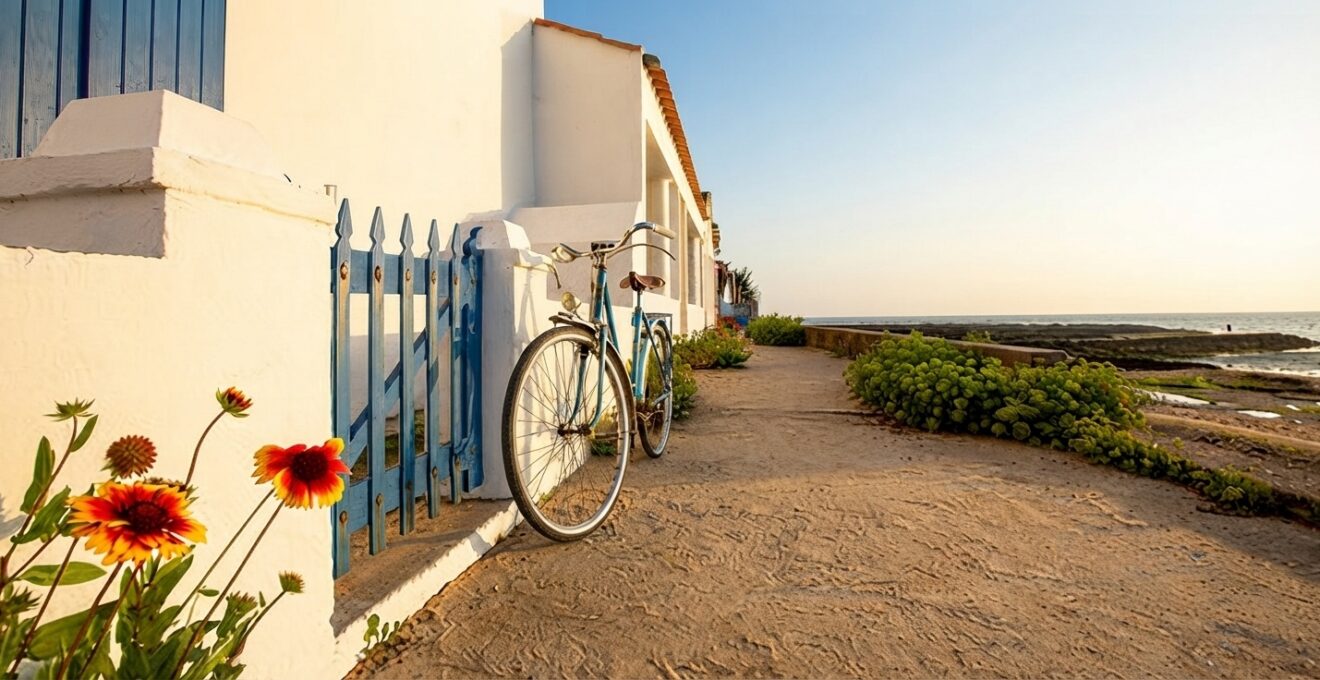
Authentic luxury on the Île de Ré rests on three inseparable pillars, each independently verifiable before you commit a substantial budget. The first pillar—architectural integrity—means properties where premium materials and thoughtful design are integrated from conception rather than superficially added. Traditional Île de Ré villas feature the island’s characteristic green shutters, natural lime renders, exposed original beams, and locally sourced stone—elements that reflect genuine preservation rather than cosmetic renovation.
The second pillar involves curated exclusive experiences that connect you with the island’s authentic identity. These range from private oyster tastings with fourth-generation producers in their working beds, to navigating secluded Atlantic coves with skippers who know tide patterns intimately, to accessing artisan workshops rarely open to conventional tourists. When evaluating Île de Ré rentals, the capacity to arrange genuinely personalised activities distinguishes bespoke services from standardised packages.
The third pillar—seamless orchestration—addresses the coordination challenge that concerns many travellers organising complex multi-generational holidays. Authentic tailor-made service means a single point of contact who understands your group’s specific composition (teenagers requiring stimulation alongside grandparents needing comfort), anticipates potential friction points, and coordinates timing between villa arrival, provisioning, and booked experiences without requiring constant supervision from you.
The three non-negotiable pillars of authentic luxury: Architectural integrity where quality materials are built into the structure, not just added as furnishings; exclusive experiences offering genuine cultural immersion rather than tourist theatre; professional orchestration that removes coordination burden whilst maintaining flexibility.
The Île de Ré offers particular advantages for British travellers seeking alternatives to saturated Mediterranean destinations. According to ONS data, France received 9.3 million visits from UK residents in 2024, reflecting enduring appeal. The island’s protected architectural character, recognised gastronomic heritage (particularly oyster cultivation and artisan salt production), and compact geography create natural exclusivity—the bridge connection limits development whilst maintaining accessibility from UK departure points.
What separates genuine personalisation from pre-packaged options marketed as ‘bespoke’? The capacity to adapt each component. A truly tailored service adjusts villa selection based on your group’s specific mobility requirements, modifies experience timing around your preferred rhythm rather than fixed schedules, and sources private chefs familiar with dietary preferences you specify—rather than offering three predetermined ‘luxury packages’ with minor variations.
Selecting your ideal luxury villa: beyond the brochure photos
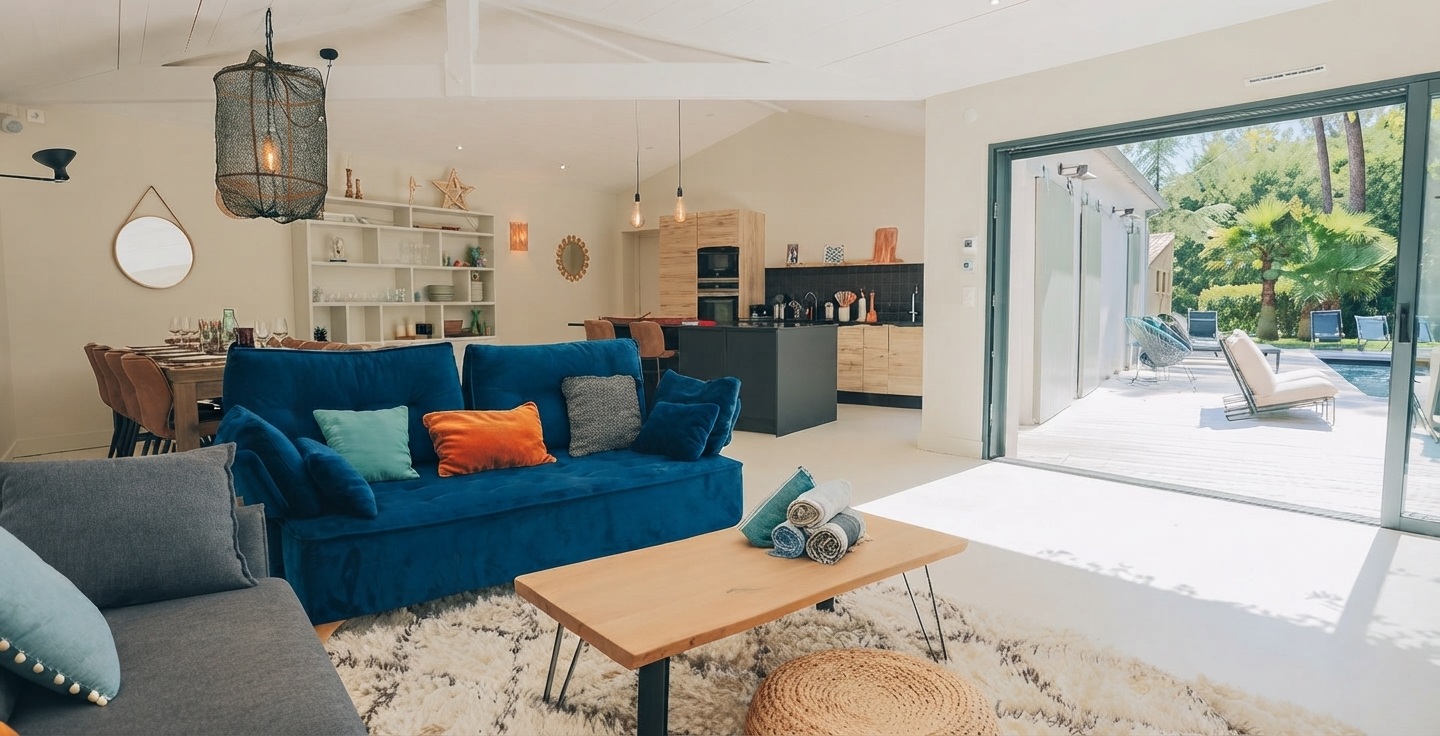
Distinguishing authentic architectural quality from cleverly photographed mediocrity requires examining elements rarely highlighted in marketing materials. Acoustic insulation represents a reliable indicator—luxury properties invest in institutional-grade soundproofing between sleeping quarters, ensuring teenagers’ late evenings don’t disturb grandparents’ rest. Similarly, thermal zoning allowing individual room temperature control demonstrates thoughtful design rather than basic central systems.
Premium equipment specifications provide verifiable quality markers. Genuine luxury villas feature hospitality-grade mattresses from recognised manufacturers (Simmons Beautyrest Black, Hästens, or Vispring), typically replaced on documented schedules. Kitchen appliances from Miele, Sub-Zero, or equivalent professional ranges signal substantial investment. Conversely, generic brands or absence of specific equipment details in listings should prompt detailed enquiries.
The Île de Ré’s villages each offer distinct characteristics affecting your stay experience. Ars-en-Ré provides maximum tranquillity with preserved authenticity, though fewer immediate amenities. Saint-Martin-de-Ré, the island’s main town, offers vibrant port atmosphere, extensive dining options, and the fortifications classified by UNESCO—ideal for groups wanting walkable entertainment. La Flotte balances charm with practicality through its renowned market and harbour, whilst Portes-en-Ré suits those prioritising natural landscapes and relative isolation.
| Village | Atmosphere | Immediate amenities | Ideal for |
|---|---|---|---|
| Ars-en-Ré | Tranquil, preserved authenticity | Limited—car recommended | Those prioritising calm and traditional character |
| Saint-Martin-de-Ré | Animated port town, UNESCO heritage | Extensive dining, shopping, cultural sites | Groups wanting walkable entertainment and services |
| La Flotte | Balanced charm, active harbour | Quality market, restaurants, boutiques | Those seeking equilibrium between character and convenience |
| Portes-en-Ré | Natural, relatively remote | Basic—suited to self-sufficient groups | Nature enthusiasts accepting reduced services |
Professional photography techniques can substantially distort spatial perception. Wide-angle lenses exaggerate room dimensions—a modest 25-square-metre living area can appear palatial. Systematic absence of certain rooms (particularly bathrooms or complete kitchen views) in photo galleries suggests areas falling below the property’s marketed standard. Intensely saturated colours or unnaturally smooth surfaces indicate digital manipulation masking maintenance deficiencies.
Before committing to any property, establish answers to these verification questions: When was the last comprehensive renovation completed, with documented evidence? What is the mattress replacement policy, and when were current ones installed? What happens if essential equipment (air conditioning, dishwasher, pool system) fails during your stay—is immediate replacement guaranteed? Are electrical and gas safety certificates current and available for review?
Exclusive experiences that elevate your Île de Ré stay
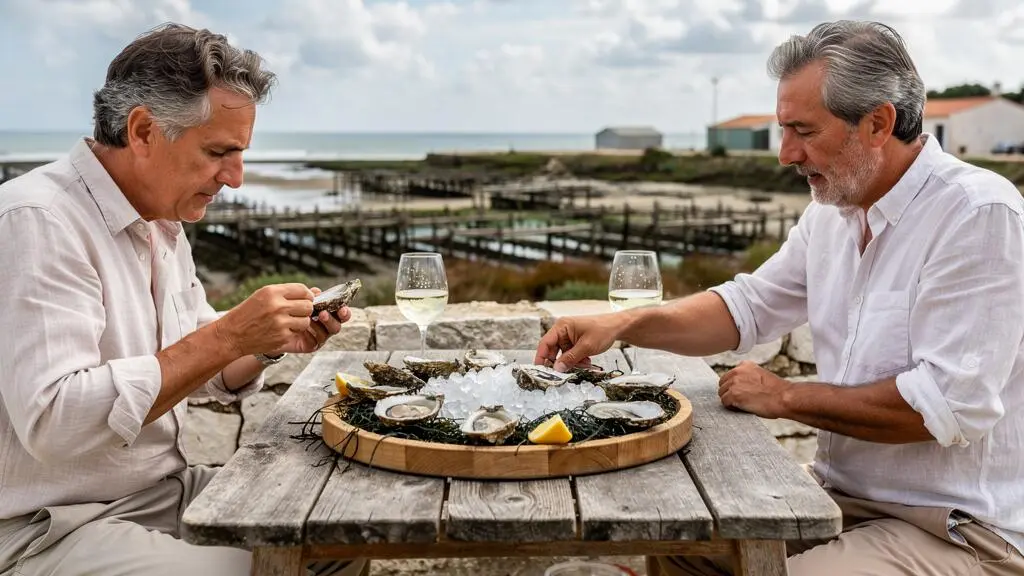
The island’s gastronomic heritage provides particularly rich opportunities for exclusive access. Private oyster tastings arranged directly with producers allow you to sample varieties at different maturity stages whilst learning about the island’s centuries-old cultivation techniques—experiences fundamentally different from restaurant service. Local vignerons producing Vin des Charentes offer cellar visits explaining the unique Atlantic microclimate’s influence on their wines. Private chefs sourcing from the island’s morning markets can prepare menus incorporating just-harvested produce, artisan cheeses, and line-caught fish.
The island’s maritime environment enables distinctive experiences difficult to replicate elsewhere. Private sailing excursions with local skippers provide access to Fort Boyard’s Atlantic face, secluded anchorages in the Fier d’Ars nature reserve, and sunset viewpoints impossible to reach by land. For families with teenagers, skippered fishing expeditions targeting sea bass or bream combine activity with authentic local practice. Stand-up paddleboarding or sailing instruction in small groups offers progression beyond generic beach club activities.
Cultural immersion opportunities extend beyond conventional tourist circuits. The island’s artisan community includes traditional basket weavers, ceramicists working with local clay, and salt harvesters (sauniers) maintaining centuries-old marsh systems. Arranging private workshop access allows genuine understanding of these crafts. The proximity to La Rochelle means groups can potentially coordinate visits around Les Francofolies music festival (typically mid-July) for those interested in contemporary French culture alongside traditional island life.
Selecting authentic providers requires distinguishing local reputation from marketing reach. Genuine specialists typically maintain smaller client numbers, demonstrate flexibility in adapting experiences to your group’s specific interests and physical capabilities, and are recommended by island residents rather than prominently featured in generic tourist guides. A producer offering predetermined two-hour tastings at fixed times shows less authentic personalisation than one willing to adjust timing around your villa dining plans or focus discussion on aspects matching your knowledge level.
For multi-generational groups facing the challenge of simultaneously engaging teenagers and grandparents, the solution lies in selecting experiences with inherent flexibility. Private boat excursions allow active participants to swim or paddle whilst others enjoy coastal observation. Culinary experiences can incorporate hands-on elements (making tapenade, shucking oysters) for those desiring participation alongside passive enjoyment for others. Cultural visits become more engaging when guides adapt depth and pacing to group composition rather than delivering fixed presentations.
How can you avoid common pitfalls when booking luxury accommodation?
Photographic manipulation represents the most prevalent issue affecting booking decisions. The UK’s Advertising Standards Authority confirms that images must not give inaccurate impressions of products actually delivered, including through digital enhancement. Properties photographed exclusively during golden hour with professional lighting often appear substantially different under typical daytime conditions or overcast Atlantic weather.
Request recent, unedited photography before committing—legitimate owners provide this readily. Use Google Street View to verify immediate surroundings and identify any neighbouring properties, building works, or roads omitted from marketing materials. Review satellite imagery to confirm pool dimensions, garden extent, and proximity to other buildings. These verification steps take minutes but prevent costly disappointments.
Online review authenticity varies significantly. Indicators of manufactured testimonials include generic language lacking specific property details, concentration of exclusively five-star ratings posted within short timeframes, complete absence of any constructive criticism, and reviewer profiles showing no other activity. Platforms implementing verification processes (confirming reviewers actually stayed at properties) provide substantially more reliable guidance. Look specifically for reviews mentioning aspects important to your needs—teenagers noting wifi performance, families commenting on noise between rooms, or multi-generational groups describing accessibility.
Equipment failures during stays cause disproportionate frustration, particularly in luxury accommodation where expectations are elevated. Vague descriptions like ‘recently renovated’ without specific dates, absence of equipment brand details, or missing photographs of kitchens and bathrooms suggest potential quality compromises. Establish before booking: What happens if air conditioning fails during a heatwave—is replacement guaranteed within hours rather than days? Are appliances under warranty or service contracts? When were major systems (pool filtration, heating, hot water) last serviced?
Hidden fees can substantially inflate initially quoted prices. Deposits exceeding 50% of total rental cost are unusual and suggest potential liquidity issues. Examine precisely what the advertised rate includes—some properties add separate charges for cleaning, linen, electricity consumption, tourist tax, and service fees. Properties advertising seemingly attractive rates but applying multiple surcharges often cost more than transparently priced alternatives. Cancellation policies deserve particular scrutiny when booking far in advance; inflexible terms without refund options expose you to substantial risk if circumstances change.
-
Renovation timeline
Request the specific date of last comprehensive renovation with photographic evidence of completed work, not just surface decoration.
-
Equipment specifications
Ask for brands and models of major appliances, mattresses, and climate control systems—reluctance to provide details signals potential quality issues.
-
Maintenance guarantees
Establish written confirmation of response procedures if essential equipment fails, including guaranteed replacement timeframes.
-
Complete fee breakdown
Demand itemised listing of all charges beyond advertised rate—cleaning, linen, utilities, service fees, tourist tax—before committing.
-
Cancellation terms
Verify refund policies for various scenarios and consider flexible cancellation insurance, particularly for bookings made many months ahead.
-
Verifiable references
Request contact details for recent guests willing to share experiences—genuine owners provide these; reluctance suggests concealment.
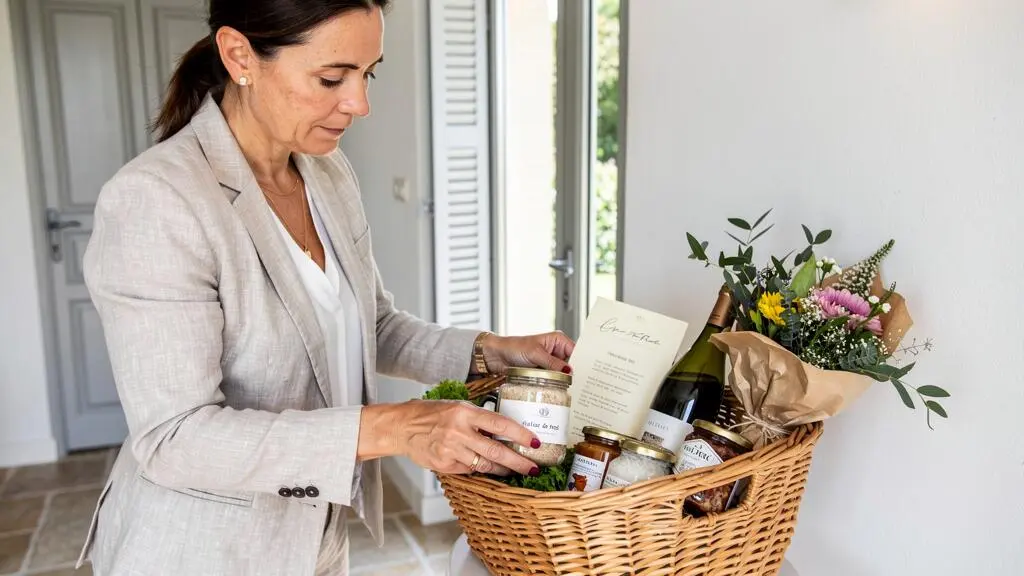
Some travellers find that focusing on platforms emphasising verified reviews and detailed property vetting reduces time spent on individual verification. These services effectively pre-screen properties against transparent criteria, though this convenience typically involves service fees reflected in total costs.
When should you book each component of your tailor-made holiday?
Securing genuinely luxurious villas on the Île de Ré for peak summer months requires substantial advance planning. The limited inventory of properties meeting authentic quality criteria (architectural integrity, premium equipment, optimal locations) means high-season weeks—particularly July and early August—are often reserved eight to twelve months beforehand by returning guests or early planners. Properties marketed as luxury but remaining available two or three months before July likely indicate either premium pricing beyond market rates or quality falling short of genuine luxury standards.
However, recent research from ABTA shows shifting booking patterns, with 38% of British travellers delaying holiday reservations and 30% booking just two to four weeks before summer travel. This trend predominantly affects package holidays and standard accommodation rather than limited-availability luxury properties, which maintain different dynamics.
The logical booking sequence begins with villa confirmation, as accommodation dates anchor all subsequent arrangements. Once villa dates are secured, reserve experiences with limited provider capacity—particularly private sailing excursions, sought-after private chefs, and specialised activities like guided kayaking through the nature reserve. These typically require booking two to four months ahead during high season. More flexible experiences—producer visits, cultural tours, cycling routes—can be arranged one to two months before arrival or even upon arrival based on weather and group preferences.
Choosing optimal travel periods involves balancing competing priorities. July offers most reliable Atlantic coast weather (though never Mediterranean-guaranteed sunshine) but maximum tourist concentration and peak pricing. Late June provides favourable weather with noticeably fewer visitors and potentially more negotiable rates. September delivers greatest exclusivity with warm sea temperatures from summer heating, though increased weather variability and some restaurant closures as seasonal operations end. Early June suits those accepting cooler conditions in exchange for substantial savings and minimal crowds.
Maintaining slight date flexibility significantly expands available options. Groups able to shift arrival or departure by two or three days often access villas unavailable to those requiring exact weeks. Similarly, considering nine or ten-night stays rather than strict week boundaries can reveal premium properties with gaps between bookings that owners prefer filling at competitive rates over leaving vacant.
Which criteria matter most when finalising your luxury retreat choice?
Not all criteria carry equal weight—distinguishing essential requirements from desirable enhancements prevents compromising on aspects fundamentally affecting satisfaction. For families with young children, non-negotiables include secure pool fencing, ground-floor bedroom options, and proximity to calm beaches. Teenagers typically prioritise reliable high-speed wifi, water sports accessibility, and sufficient private space. Multi-generational groups require bedroom distribution allowing generational separation (ideally separate sleeping wings or floors), premium acoustic insulation, and varied outdoor spaces enabling simultaneous activities.
Establish your deal-breakers clearly: aspects where compromise guarantees disappointment. These might include institutional-grade soundproofing if light sleepers are travelling, documented equipment warranties if cooking elaborate meals is planned, or written guarantees of immediate maintenance response. Distinguish these from nice-to-have features (heated pool, sea views, home cinema) that enhance enjoyment but don’t fundamentally determine success.
Before finalising any substantial booking, verify several critical elements. Reread the complete contract identifying any ambiguous clauses, particularly regarding deposit schedules, damage liability, and cancellation terms. Confirm in writing that photographs accurately represent current property condition, requesting recent dated images if marketing materials appear dated. Review the three most recent negative or critical reviews—not to be dissuaded by isolated complaints, but to identify patterns suggesting systemic issues. Ensure travel insurance with flexible cancellation coverage is secured, particularly for bookings made many months ahead.
Making informed choices benefits from resources providing transparent filtering and verified information. Services offering advanced search parameters—allowing you to specify exact requirements like ground-floor bedrooms, professional kitchen equipment, or specific village locations—save substantial research time. Similarly, platforms implementing rigorous review verification processes, where testimonials come exclusively from confirmed guests, provide more reliable quality signals than unverified commentary. These tools don’t replace individual due diligence but substantially streamline the evaluation process.
Ultimately, luxury travel represents an investment in emotional return—memories created, family bonds strengthened, and experiences providing lasting satisfaction beyond the holiday itself. The substantial budget allocated to a tailor-made Île de Ré retreat is justified when the outcome delivers genuine quality matching your specific needs rather than generic luxury meeting someone else’s definition. For those seeking criteria for a perfect luxury retreat, this methodical evaluation approach transforms uncertainty into confident decision-making.
- Verify complete fee breakdown with no hidden charges beyond advertised rate
- Confirm equipment brands and recent renovation dates with photographic evidence
- Establish written maintenance guarantee specifying response times for equipment failures
- Review cancellation policy ensuring adequate protection for advance bookings
- Request and examine recent unedited photographs showing current property condition
- Check Google Maps satellite and Street View confirming surroundings and dimensions
- Read recent reviews on verified platforms, noting patterns in negative feedback
- Secure flexible cancellation insurance appropriate to booking value and timing
- Obtain emergency contact details and confirm local management presence
- Coordinate and pre-book priority experiences (private sailing, chef, tastings) after villa confirmation
By applying these tangible evaluation criteria—from architectural integrity and verifiable equipment specifications to transparent review verification and strategic booking sequences—you transform the overwhelming abundance of self-proclaimed luxury offerings into a manageable selection process. The resulting holiday delivers not marketing promises, but authentic quality creating the memorable family experience justifying your investment.