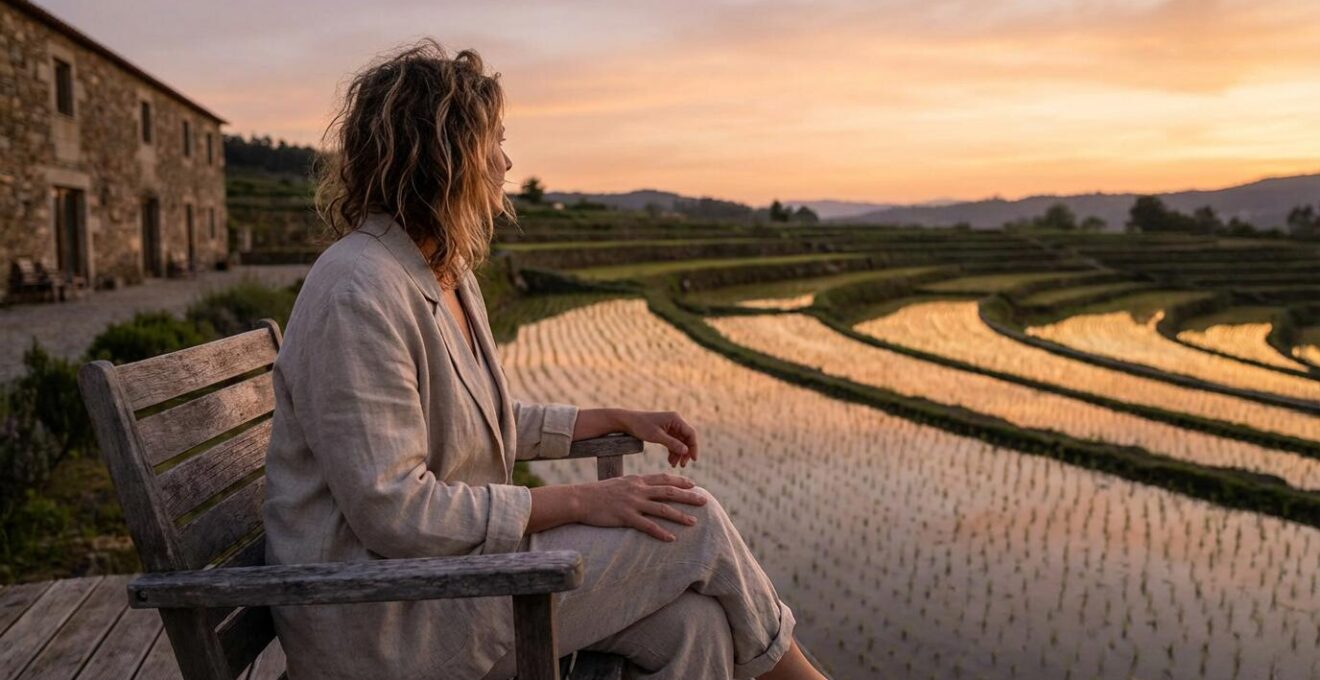
She had tried the Maldives. The Amalfi Coast in shoulder season. A wellness retreat in Ibiza that promised silence but delivered sound baths and influencers. When I met her at breakfast in Melides, overlooking rice paddies still silvered with morning mist, she said something that stayed with me: “I stopped looking for luxury. I started looking for quiet.”
Melides in 30 seconds
- Thirty minutes from Comporta but decades behind in development
- Rice paddies, cork forests and protected lagoons limit construction
- Boutique properties designed for presence, not performance
- The destination for travellers tired of “hidden gems” that are neither
The quiet revolution happening on Portugal’s Alentejo coast
Many travellers I speak with share the same story: they booked Comporta expecting solitude, only to find the secret was already out. The beach clubs had multiplied. The restaurant queues had lengthened. What was once a genuine escape had become another destination performing escapism.
Comporta’s trajectory is well documented. According to analysis of Comporta’s overtourism challenges, the area’s rapid development has led to gentrification and environmental strain. The Portuguese government now actively promotes slow tourism concepts, encouraging longer stays over frequent visits.
Melides sits just south. Same coastline. Different trajectory entirely.
150%
property price increase in Melides recent quarters, signalling growing interest while development remains constrained
What protects Melides from Comporta’s fate? Geography, mostly. The town borders the protected Lagoas de Santo André and Sancha Nature Reserve. As The Portugal News on Melides development explains, this limits available building plots and mandates sustainable infrastructure. You cannot build a mega-resort where the land will not permit it.
The result? A destination developing slowly, by design and by necessity.
What slow luxury actually means (and why Melides delivers it)
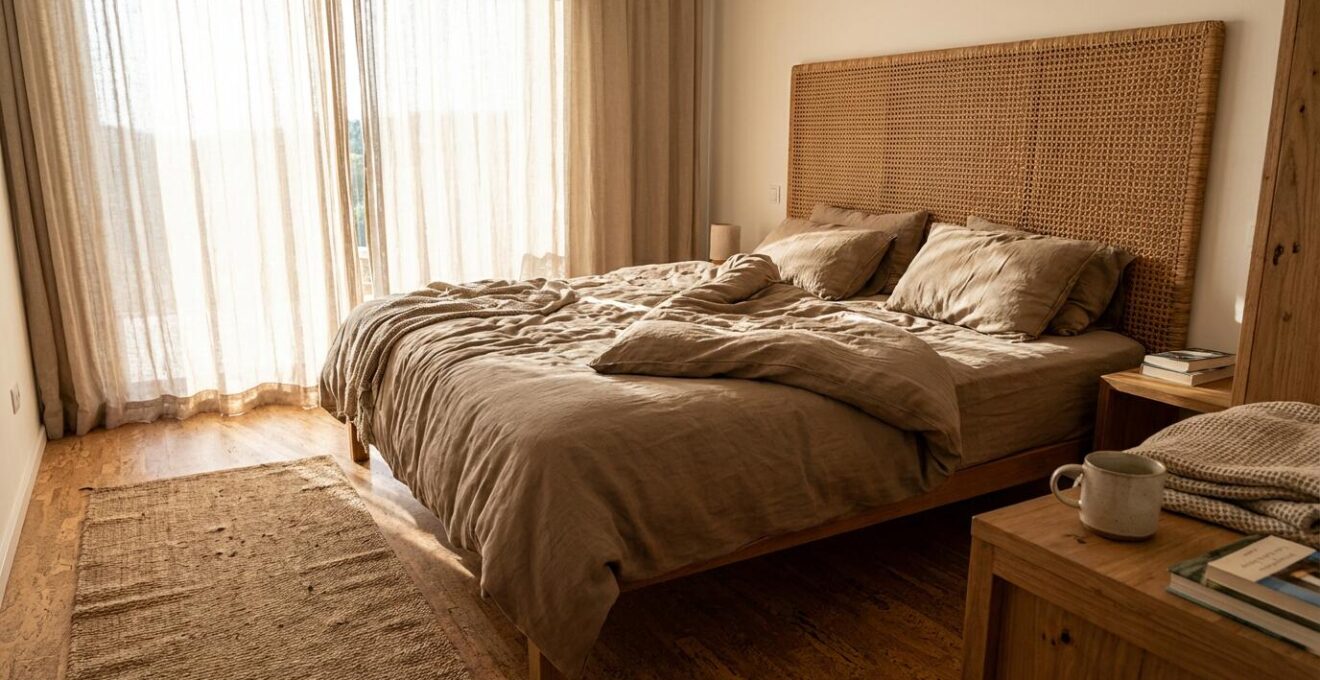
Here is the honest truth about slow luxury: it is not a marketing category. It is a philosophy of subtraction. Less choice on the menu because ingredients come from the garden. Fewer room options because the property only has twelve. No spa menu because the treatment is simply being here.
The slow luxury philosophy in practice: Authentic slow luxury prioritises depth over breadth. This means seasonal dining from kitchen gardens, unhurried service rhythms, architecture that integrates with landscape rather than dominating it, and deliberate disconnection from digital noise. The measure of success is not amenity count but quality of presence.
Conventional luxury hotels compete on thread count and restaurant accolades. Slow luxury properties compete on something harder to quantify: how the space makes you feel when you wake at dawn with nowhere to be.
Melides properties understand this distinction. They are designed around the landscape, not despite it. Cork and lime render instead of glass and steel. Gardens that blur into surrounding farmland. Schedules that follow the sun rather than meal sittings.
If you are researching choosing the perfect luxury retreat, the question is not which property has more stars. It is whether you are ready to exchange convenience for presence.
Rice fields, cork forests and the architecture of calm
The first morning, watching mist lift from the rice fields, something shifts. The Alentejo coast does not demand your attention the way dramatic landscapes do. It offers itself quietly. Cork oaks with bark stripped to orange. Egrets standing in flooded paddies. The particular quality of Atlantic light filtering through maritime pines.
This landscape is not backdrop. It is the point.
A day at Quinta Amala
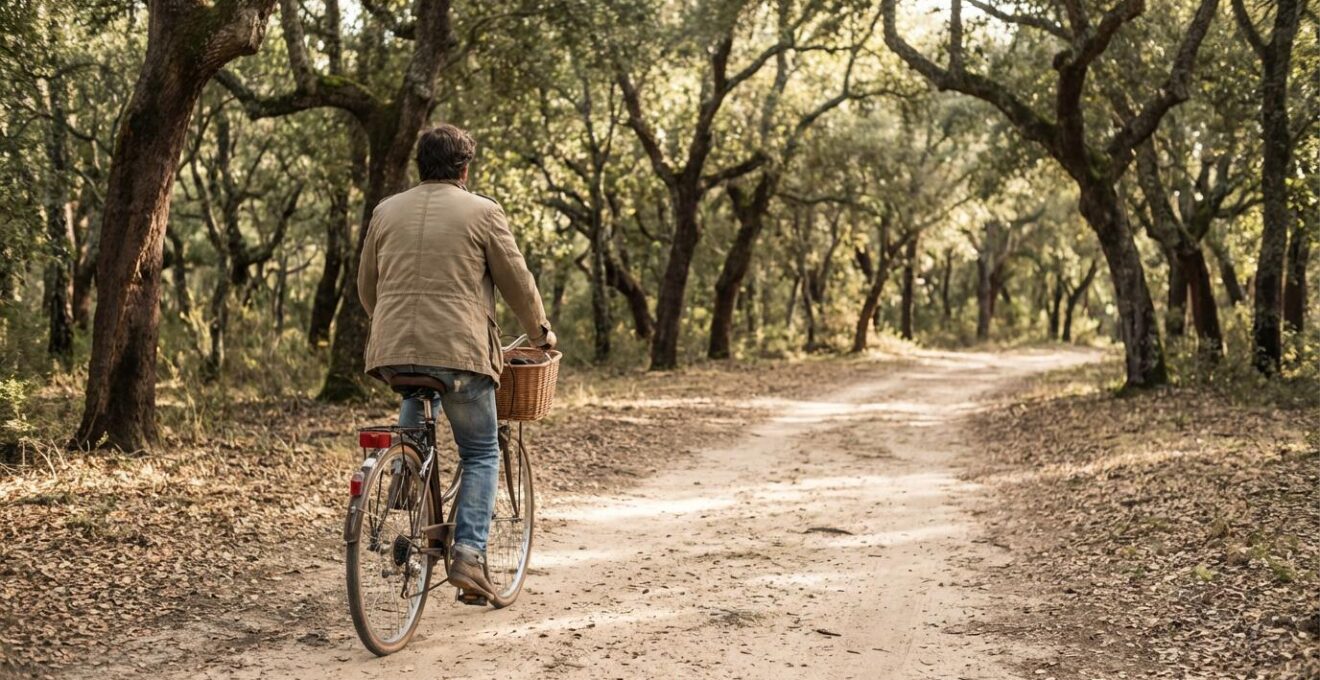
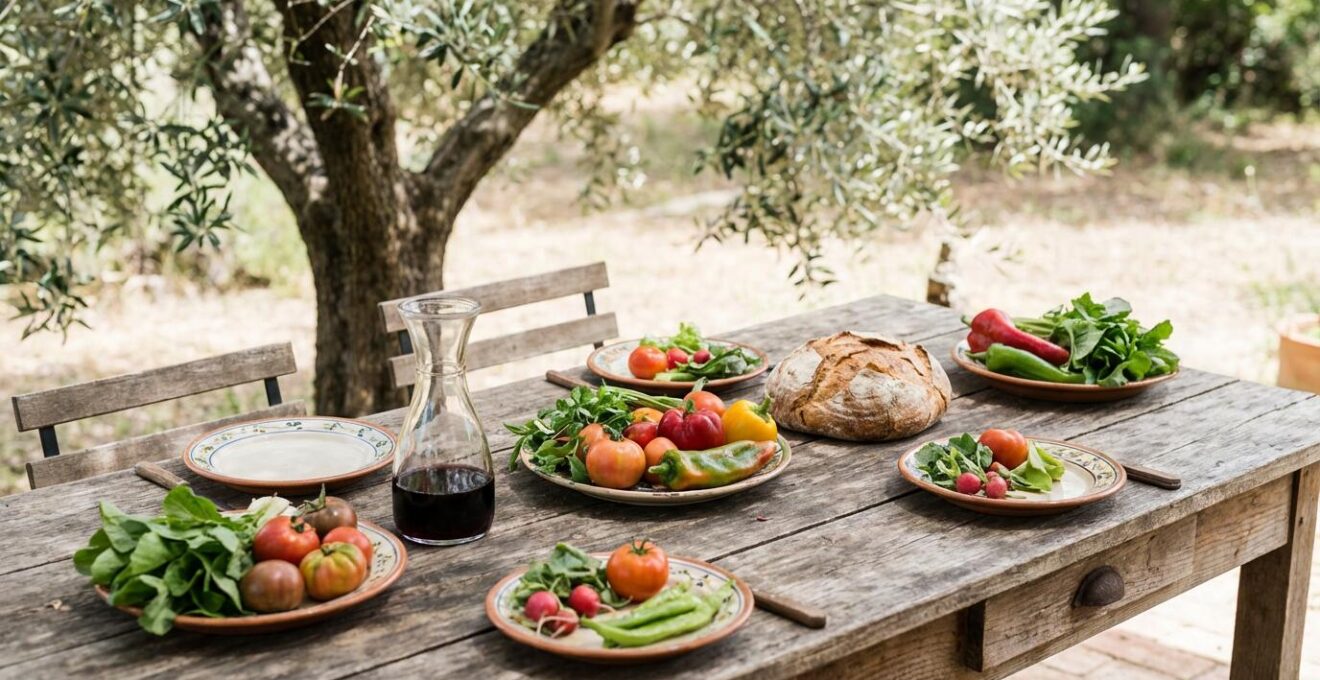
I spent three days at Quinta Amala, a property that understands what slow luxury requires: the confidence to offer less. Dawn yoga overlooking the rice fields. An unhurried breakfast in the garden with eggs from their chickens. Afternoon cycling to Praia da Vigia, a beach quiet enough to hear your own thoughts. Evening by the pool, watching the sky shift from gold to violet.
The couple at the next table had tried three Portuguese destinations before finding this. They told me their initial frustration with limited restaurant options nearby had given way to revelation: the limitation was precisely the point. Slow luxury requires surrendering convenience for presence.
As detailed Melides destination profiles note, unlike Comporta, Melides still offers unhurried charm. The town centre takes thirty minutes to explore on foot. Whitewashed homes. A historic church. The kind of local market where stallholders remember your face.
The protected lagoon stretches from town to beach, limiting what can be built and preserving what drew people here: the sense of being somewhere that has not been optimised for visitor throughput.
Is Melides right for you? An honest assessment
I have seen enough overhyped destinations to recognise when expectations need managing. Melides is not for everyone, and that is precisely its value.
What Melides offers
-
Genuine quiet: uncrowded beaches, protected landscapes, low-density development
-
Authenticity: working cork farms, rice cultivation, local markets not staged for tourists
-
Boutique scale: properties with personality, not corporate hospitality
What Melides lacks
-
Restaurant variety: limited dining beyond hotel kitchens and simple tavernas
-
Evening entertainment: this is not a destination for nightlife
-
Accessibility: requires car from Lisbon (around ninety minutes drive)
Getting here takes commitment. According to Skyscanner flight data, London to Lisbon averages two hours fifty minutes. Add the drive south and you are looking at a half-day journey. This filters out the casual visitor, which is part of the point.
Before you book: Ask yourself honestly whether you want to switch off or whether you want luxury with activity options. Melides rewards those who arrive ready to slow down. If you need a spa menu, fitness programme and nightly entertainment, look elsewhere. If you crave mornings with nowhere to be and evenings watching light change over the rice fields, this is your place.
For those proceeding, the practical matters: travel insurance becomes important when visiting less developed regions. Take time to compare travel insurance plans before departure, particularly if you are renting a car for the Alentejo roads.
What the landscape teaches, if you let it
Melides works for those who understand that luxury is subtraction, not addition. Fewer choices on the breakfast menu. Fewer people on the beach. Fewer claims on your attention.
The woman I met at breakfast said it simply: she had stopped looking for luxury and started looking for quiet. In Melides, she found both were the same thing.