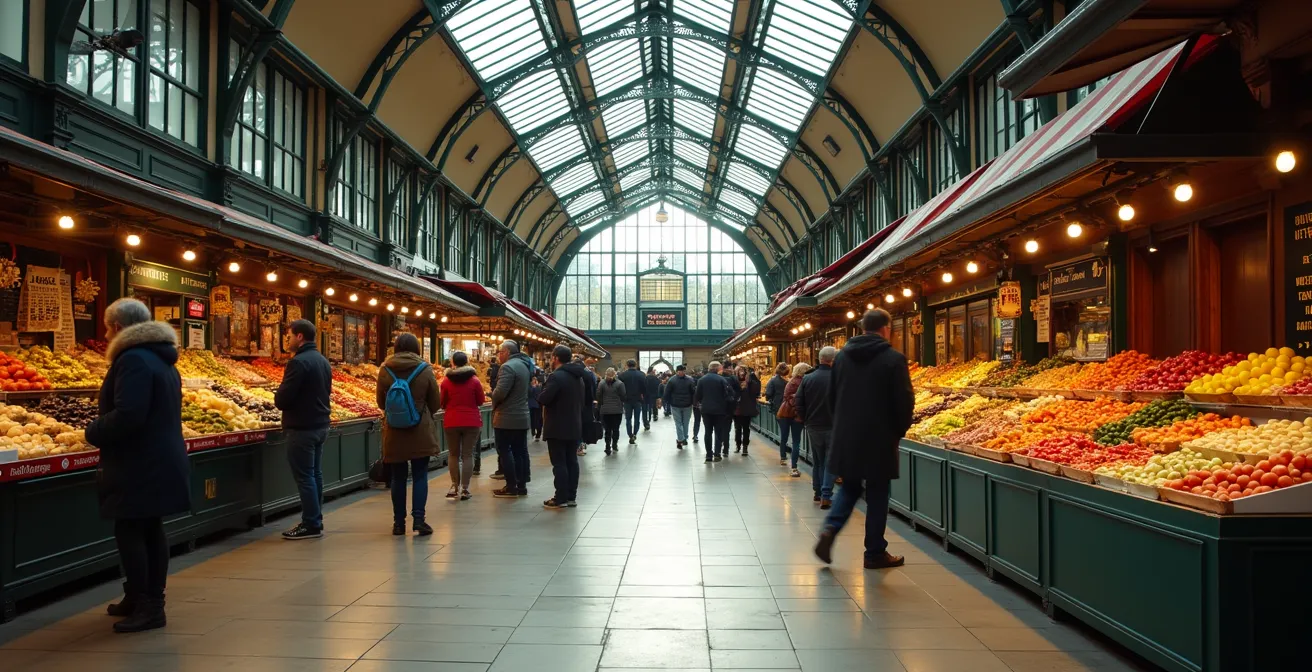
The key to a satisfying food tour isn’t the number of stops, but the “Satiety Value” of each tasting.
- Focus on tours that transparently list substantial dishes, not just “local samples.”
- Use UK-specific tools like the Food Hygiene Rating Scheme to verify quality and safety before you book.
Recommendation: Always ask operators for exact portion sizes or dish names. A professional tour will have this information ready and will see it as a sign of a discerning customer, not a difficult one.
There’s a specific kind of disappointment that comes from finishing a £70 food tour and immediately looking for the nearest pub for a proper meal. You were promised a culinary journey, a taste of the city, but you’re left with a collection of small, forgettable bites and a lingering feeling of being… undersold. The culinary tourism market is booming, with projections suggesting significant growth in the UK culinary scene, which unfortunately means a rise in both high-quality experiences and low-value tourist traps.
The common advice—”read reviews,” “check the itinerary”—is well-meaning but vague. It doesn’t equip you to decode a tour’s true value. As food tour operators ourselves, we believe in transparency. The secret isn’t just about what you’ll taste, but about understanding the very structure of the tour. It’s about moving beyond the marketing and learning to assess what we call Satiety Value: the measure of a tour’s ability to deliver a genuinely satisfying, filling, and high-quality culinary experience.
This guide provides a structural framework to do just that. We’ll give you the tools to spot “filler items,” verify a guide’s real expertise, understand the legal safety standards in England that protect you, and ultimately invest your time and money in a tour that leaves you happily full, not just hungry for more.
To help you navigate these crucial points, we’ve broken down the essential questions you should be asking before you book any food tour in England. This structure will serve as your blueprint for making an informed decision.
Summary: 10 tastings or 3 full dishes: How to choose a food tour that doesn’t leave you hungry?
- Bread and water: How to spot tours that pad the itinerary with cheap items?
- Vegetarian on a chorizo tour: Can they really accommodate allergies?
- Historian or Foodie: Which type of guide gives better context?
- Lunch or Dinner tour: Which is better for market vibes?
- The commission trap: Are the recommended spice shops actually the best?
- Photos on the menu: Is it a warning sign or just helpful for foreigners?
- Money and gloves: Does the cook touch cash and food with the same hand?
- Buying spices in Marrakech: How to tell real saffron from dyed corn silk?
Bread and water: How to spot tours that pad the itinerary with cheap items?
The most common pitfall in choosing a food tour is falling for a long list of “tastings” that are mostly inexpensive fillers. A ten-stop tour sounds impressive, but if three of those stops are a sip of water, a piece of bread, and a generic olive, you’re not getting value. You’re getting volume. The goal is to identify tours built around “Substance Stops”—locations that offer a significant, high-quality portion or a complete dish that contributes to a full meal experience.
Low-quality tours often use vague language like “local samples” or “regional tastes.” High-quality operators will be specific, listing “a full portion of fish and chips,” “a hand-raised pork pie,” or “a tasting flight of three local cheeses.” This specificity is a hallmark of confidence in their product. To systematically assess this, you need a clear checklist to cut through the marketing fluff and evaluate the tour’s foundational value.
Your checklist for assessing a tour’s real value
- Exclusive Access: Does the tour offer something you can’t do yourself, like behind-the-scenes access, or is it just a walk through a public market?
- Specific Dishes: Look for named dishes in the itinerary. Vague terms like “local samples” are a red flag.
- Cost Per Stop: Divide the tour price by the number of *substantive* stops. A quality tour in a city like London often averages £10-£15 per quality stop. If it’s much lower, suspect filler.
- Included Drinks: Are drinks included, or are they an extra cost? Legitimate tours should include at least two or three beverages, from water to a craft beer or wine pairing.
- Portion Size Inquiry: Don’t be afraid to email the company and ask directly: “Are the tastings bite-sized samples or closer to a small dish?” A transparent company will answer clearly.
Vegetarian on a chorizo tour: Can they really accommodate allergies?
Vague promises to “work something out” for dietary needs are a major red flag. In the UK, food safety, particularly concerning allergens, is not just a matter of good service—it’s the law. A professional tour operator doesn’t just promise to accommodate you; they have a structured, legally compliant system in place to do so safely.
Case Study: Natasha’s Law and UK Food Tours
Since the implementation of Natasha’s Law in October 2021, all UK food businesses are required to provide full ingredient and allergen labelling on pre-packed foods. Professional tour operators have extended this principle to their partnerships. They work exclusively with venues that maintain detailed allergen matrices and can provide clear information on the 14 major allergens at each stop. This isn’t just a promise; it’s a verifiable, legally-backed process that ensures your safety.
The difference between a professional operation and a risky one becomes stark when you know what to look for. It’s the difference between a pre-arranged, delicious alternative and a last-minute scramble that leaves you with a piece of fruit. This table breaks down the critical distinctions.
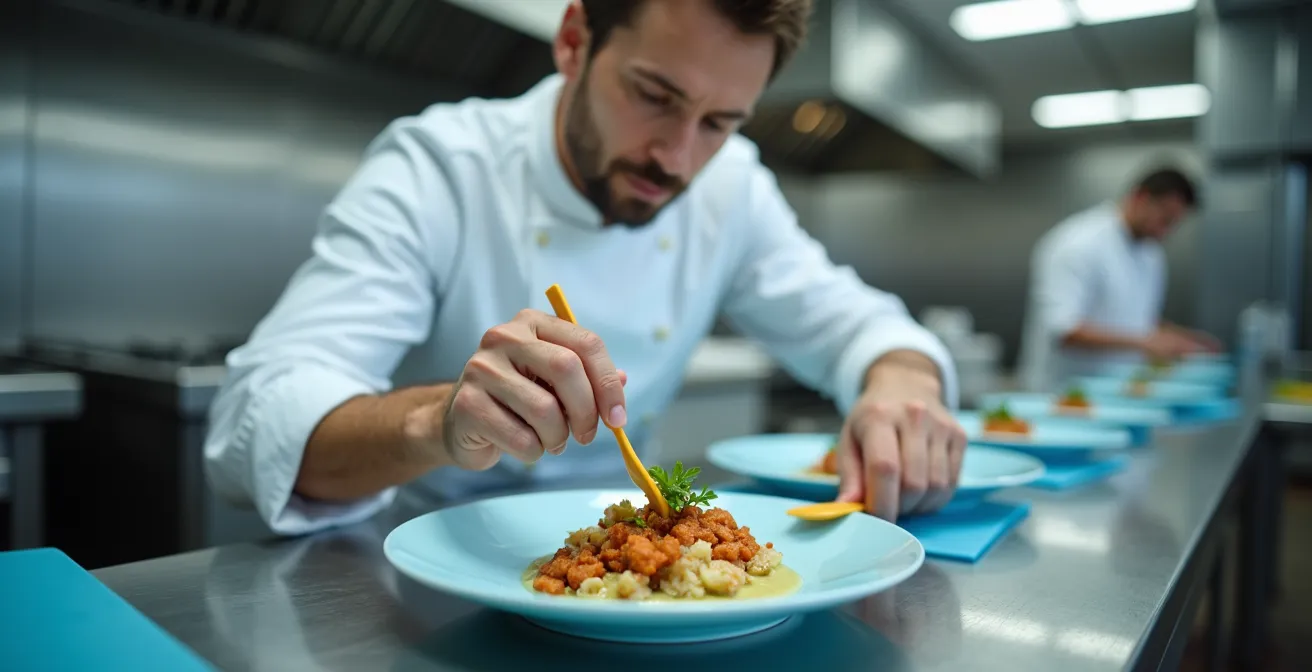
The following table, based on guidance from the UK’s Food Standards Agency, highlights the difference between a truly prepared operator and an amateur one. This is a crucial reference for anyone with dietary restrictions.
| Professional Tour Operators | Amateur/Risky Operators |
|---|---|
| Written allergen policy compliant with UK law | Vague promises to ‘work something out’ |
| Pre-arranged alternatives at each stop | Last-minute substitutions |
| Partner venues with 4-5 Food Hygiene Rating | No verification of venue hygiene ratings |
| Staff trained in allergen awareness | Rely on vendor knowledge alone |
| Written confirmation of accommodations | Verbal assurances only |
Historian or Foodie: Which type of guide gives better context?
A tour guide is more than a navigator; they are the curator of your experience. The type of guide leading the tour profoundly shapes its character. Broadly, guides fall into two categories: the Historian and the Foodie Connector. Neither is inherently better, but one will likely be better for *you*. Choosing the right one depends entirely on what you want from the experience.
The Historian, often a certified Blue Badge Guide in the UK, provides rich, factual context. They connect the food to the city’s history, architecture, and cultural evolution. You’ll learn why a certain dish became popular in the Victorian era or how a neighbourhood’s immigrant history shaped its culinary landscape. The food is a lens through which to view history.
The Foodie Connector, on the other hand, is all about the present-day scene and personal relationships. This guide might be a former chef, a food writer, or simply a passionate local who lives and breathes the food scene. They know the vendors by name, get you access to the kitchen, and share personal stories about the people behind the food. Reviews for these guides often mention “insider access” or being “greeted like a local.” For this type of guide, qualifications like a WSET certification for wine or spirits knowledge can indicate deep, specialised expertise.
Every tour is meticulously curated to showcase the very best of London’s food scene, with exclusive access to the most legit local spots.
– Eating Europe Tours, London Food Tours Review
Ultimately, your choice should align with your interests. Do you want to understand the ‘why’ behind the food’s journey through time, or do you want to feel the pulse of the contemporary food scene and connect with its creators?
Lunch or Dinner tour: Which is better for market vibes?
The timing of your tour drastically affects its atmosphere, especially in a city like London. A tour at 11 AM feels fundamentally different from one at 7 PM. The choice between a lunch or dinner tour often comes down to a trade-off between authentic market access and vibrant evening atmosphere. There is no single “best” time; there is only the best time for the experience you’re seeking.
Daytime tours, particularly those in the morning, offer unparalleled access to producers. You’ll find markets bustling with locals doing their shopping, and you have a better chance of interacting directly with the cheesemongers, butchers, and bakers. The energy is one of commerce and creation.
Case Study: The Borough Market Timing Dilemma
An analysis of tours around London’s iconic Borough Market reveals a clear pattern. Morning tours, especially on a weekday, offer a quieter, more intimate experience. Guides can facilitate conversations with producers who aren’t yet overwhelmed by crowds. Afternoon tours capture the vibrant, buzzing atmosphere the market is famous for, but at the cost of direct access. Crucially, evening tours often miss the market entirely, as many of the best stalls and producers pack up by 5 PM, shifting the focus to nearby restaurants and pubs instead.
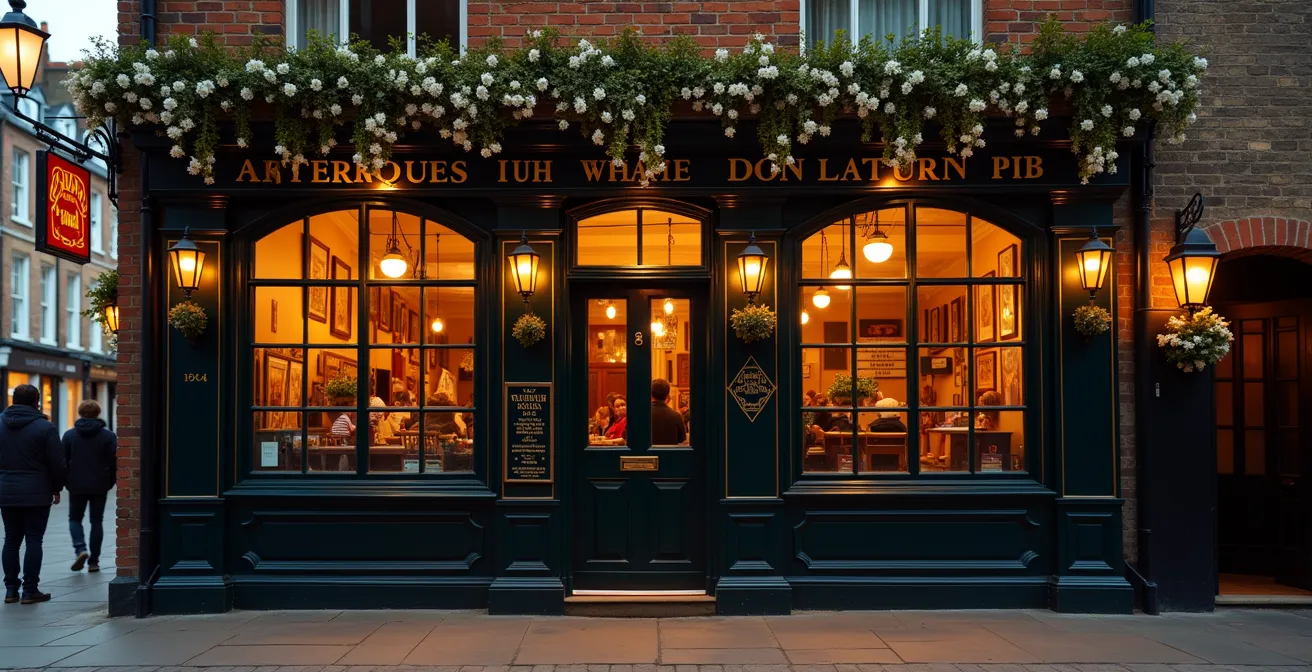
Evening tours, by contrast, excel at capturing the social side of food culture. You’ll experience the golden-hour glow on a historic pub, the lively chatter of after-work crowds, and the transformation of a neighbourhood from a place of work to a place of leisure. The focus shifts from the producers to the establishments where people gather to enjoy the finished product.
The commission trap: Are the recommended spice shops actually the best?
One of the unspoken truths of the tourism industry is the “commission trap.” This is where a guide steers you towards a particular shop or vendor not because it’s the best, but because they receive a kickback on any sales. It’s a practice that prioritises the guide’s profit over your experience. A genuinely great tour, however, is built on Commission-Free Curation, where every recommendation is based on merit alone.
Spotting the difference requires a keen eye. A major red flag is if the tour conveniently ends inside a shop, creating a high-pressure environment to buy. Authentic tours typically end at a final tasting location, like a pub or cafe, where the focus remains on the food. Afterwards, a great operator will provide unbiased recommendations for shopping, often in a follow-up email with a map and a list of several trusted options. This transparency is a sign of integrity.
Here are some key indicators of genuine vs. commission-based recommendations:
- Personal Enthusiasm: Ask the guide where they *personally* shop. Genuine passion is hard to fake.
- Multiple Options: A guide pushing one single shop is suspicious. An expert will happily name several great places for different needs.
- Established Partners: Look for tours that partner with renowned, independent specialists with their own strong reputations, like Neal’s Yard Dairy for cheese or The Ginger Pig for meat in London. These businesses don’t need to pay commissions.
This approach of providing value beyond the tour itself is a hallmark of a company confident in its local expertise, as noted by travelers.
We took Eating Europe’s East End Food Tour last fall. The guide provided a detailed follow-up email with all locations visited plus additional neighborhood recommendations not included in the tour. This transparency showed they weren’t pushing commission-based sales but genuinely sharing local knowledge.
– Professional London Tour Guide Experience, Rick Steves Community Forum
Photos on the menu: Is it a warning sign or just helpful for foreigners?
The conventional wisdom is simple: a menu with pictures is the ultimate sign of a tourist trap. While often true, this rule is overly simplistic and can cause you to miss out on excellent, authentic eateries, especially in a multicultural city like London. The presence of photos is not an automatic disqualification; it’s a data point that requires context.
In some food cultures, like Japan with its ‘sampuru’ plastic models, menu photos are a standard practice and sign of pride, not a tourist trap.
– Food Culture Expert, Global Food Service Standards Research
This principle applies directly to many of London’s vibrant international districts. In Chinatown or on Brick Lane, menus with photos are common and serve a practical purpose for communication. Judging these establishments by a generic “no photos” rule would be a mistake. A more sophisticated approach is to use a scorecard system, where you weigh multiple factors rather than relying on a single indicator.
This table offers a more nuanced “Tourist Trap Scorecard” to help you make a better judgment call. Instead of a simple yes/no, you can weigh the evidence.
| Warning Sign | Points | Context Exception |
|---|---|---|
| Menu photos | +1 | Normal in Chinatown/Brick Lane |
| Tout outside | +2 | None |
| Main square location | +2 | Historic pubs excepted |
| Menu in 4+ languages | +3 | International districts |
| Generic ‘traditional’ claims | +2 | None |
| Score over 5 = Avoid; Score 3-5 = Proceed with caution; Score under 3 = Likely authentic | ||
Money and gloves: Does the cook touch cash and food with the same hand?
Food hygiene is a non-negotiable aspect of any culinary experience. While observing a vendor’s practices firsthand is a good habit, a professional food tour in the UK offers a much more robust layer of assurance: the Food Hygiene Rating Scheme (FHRS). This government-run programme provides a transparent, reliable measure of a venue’s safety standards.
In England, Wales, and Northern Ireland, it is mandatory for food businesses to display their hygiene rating, given on a scale from 0 (Urgent Improvement Necessary) to 5 (Very Good). This rating is based on official inspections covering handling of food, physical condition of the business, and safety management. Consumer confidence in UK food safety standards is built upon transparent systems like this. For a food tour, this is your most powerful tool.
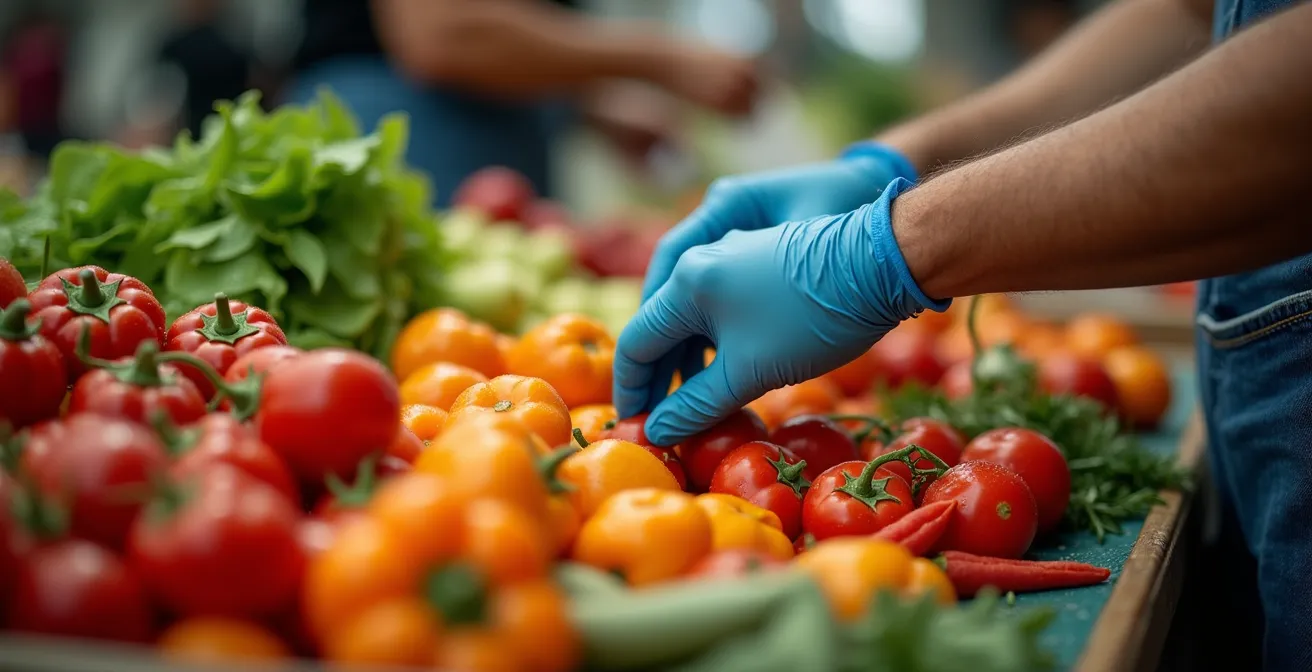
Case Study: Using the Food Hygiene Rating System for Tours
The UK’s FHRS has empowered both consumers and responsible tour operators. Top-tier tour companies will exclusively partner with venues rated 4 (Good) or 5 (Very Good). They vet their partners’ hygiene as stringently as they vet their food quality. Before booking a tour, you can—and should—ask the operator for a list of their partner venues and check their ratings online via the Food Standards Agency website. Any hesitation to provide this list is a serious red flag.
A professional operator has already done this homework for you. Their reputation rests on the quality and safety of their partners. By choosing a tour that is transparent about its partners’ high hygiene ratings, you are outsourcing the safety check to an expert whose business depends on getting it right.
Key takeaways
- Evaluate tours on “Satiety Value,” prioritising the quality and substance of dishes over the sheer number of stops.
- Use UK-specific legal and safety standards (Natasha’s Law, Food Hygiene Ratings) as your primary tools for vetting a tour’s professionalism.
- Look for signs of “Commission-Free Curation,” such as post-tour emails with multiple recommendations, as an indicator of a tour’s integrity.
Buying spices in Marrakech: How to tell real saffron from dyed corn silk?
That question about saffron in Marrakech? It’s a perfect example of a bigger issue travelers face everywhere, including in England: verifying authenticity. The fear of buying a counterfeit product is universal. But instead of corn silk, your concern in the UK might be buying “Stilton” that’s just a generic blue cheese, or “Scotch” that isn’t from Scotland. Fortunately, the UK and EU have systems to protect you.
The key is to look for official certifications that guarantee a product’s origin and production method. These labels are a mark of quality and authenticity that you can trust. A good food tour guide will not only take you to taste these products but also teach you how to identify them in the wild.
Your guide to verifying authentic British products
- Look for PDO/PGI Labels: Look for the PDO (Protected Designation of Origin) label on products intrinsically linked to a region, like Stilton cheese or Cornish pasties. The PGI (Protected Geographical Indication) mark is for items like Scotch whisky or Welsh lamb, where a part of the process is geographically linked.
- Compare the Price: Authenticity has a price. Real PDO Stilton will typically cost £20-£30 per kilogram, whereas a generic blue cheese might be half that. A price that seems too good to be true usually is.
- Trust the Chefs’ Sources: Ask your guide where the city’s top chefs source their ingredients. Places like Borough Market’s specialist suppliers are trusted by professionals for a reason.
- Verify Key Producers: A knowledgeable guide will point you towards legendary producers known for their quality, such as Neal’s Yard Dairy for cheese, The Ginger Pig for meats, or Bread Ahead for baked goods.
By learning to spot these markers of authenticity, you move from being a simple tourist to an informed consumer. You can purchase souvenirs with confidence, knowing you are taking home a genuine piece of Britain’s culinary heritage.
Now that you have the complete framework, use it to book your next food tour with the confidence of an insider. Evaluate every potential tour not on its marketing, but on its structure, transparency, and commitment to authentic value.